Tuesday, March 13, 2007

Blue tit/ Blåmejse

13. March in Mindeparken


They are the most charming little birds, and they are everywhere right now.
Is he showing off, this little flyer?
photo 130307: gb

Peacock/Dagpåfugleøje


Inachis io
Mindeparken 13. march 2007.


photo 130307: gb

Monday, March 12, 2007


"Bicycling is a big part of the future. It has to be. There's something wrong with a society that drives a car to workout in a gym." - Bill Nye, the Science Guy
photo 120307: gb


A lovely little squirrel
photo 120307: gb

Sunday, March 11, 2007


Old motor boats in Norsminde Marina.
photo 110307: gb

The very first day of spring - hurra! Life is worth living!

photo 110307: gb

His first trout on the first spring day

photo 110307: gb

An MG on the right side of the road!

photo 110307: gb

Wednesday, February 28, 2007

March 2007


The flower for March is violet.

March is the third month of the year according to the Gregorian calendar, which is used in almost all the world today. It was the first month on the early Roman calendar and was called Martius. Later, the ancient Romans made January 1 the beginning of the year, and March became the third month. March has always had 31 days. Its name honors Mars, the Roman god of war.


March brings in spring and ends the winter. Spring in the northern half of the world begins with the vernal equinox, which occurs on March 19, 20, or 21. On this day, the center of the sun is directly over the equator.

March can be both wintry and springlike. Blustery, windy days occur as frequently as mild, sunny days. In the Northern Hemisphere, many animals end their hibernation, and many plants come to life again, during March. Sap flows in the trees, and green buds begin to appear. The first pussy willows and wild flowers can be found in the woods. Most frogs lay their eggs. Hibernating animals, such as bears, chipmunks, and woodchucks, leave their winter sleeping places. Wild geese and ducks begin their northward flights. In March, people begin to look for the first robin as a sign that spring has really come.


The Irish celebrate March 17 as the feast day of St. Patrick.

The flower for March is the violet. The birthstones are the bloodstone (a variety of chalcedony) and the aquamarine.


There are many superstitions about March. We often hear that "March comes in like a lion and goes out like a lamb." This means that the first day of March is often stormy, and the last day is mild and warm. Another saying is, "April borrowed from March three days, and they were ill." This refers to the first three days of April, which are generally rough and blustery like March. A third saying calls the first three days of March "blind days" because they are "unlucky." If rain falls on these days, farmers supposedly will have poor harvests.

Photo: grethe bachmann

Sunday, February 04, 2007

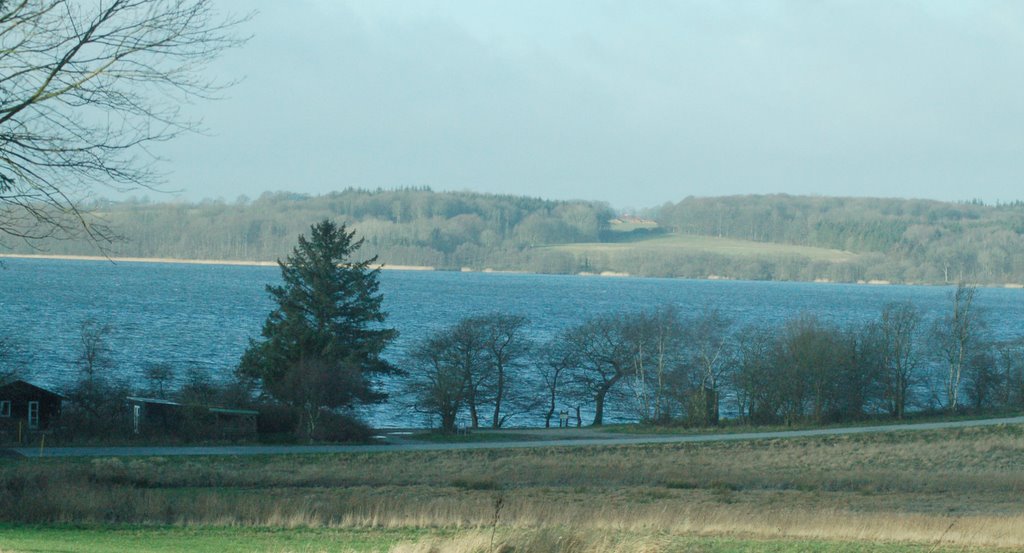
Mossø in the Lake District of Mid Jutland.


View to the lake from the southern road.

Upon the other side of the lake are among other things idyllic villages and the ruins of Øm kloster, which was established in 1172 by cistercienser monks from Vitskøl kloster. Here is a museum for the medieval culture of the monasteries.

http://en.klostermuseum.dk/


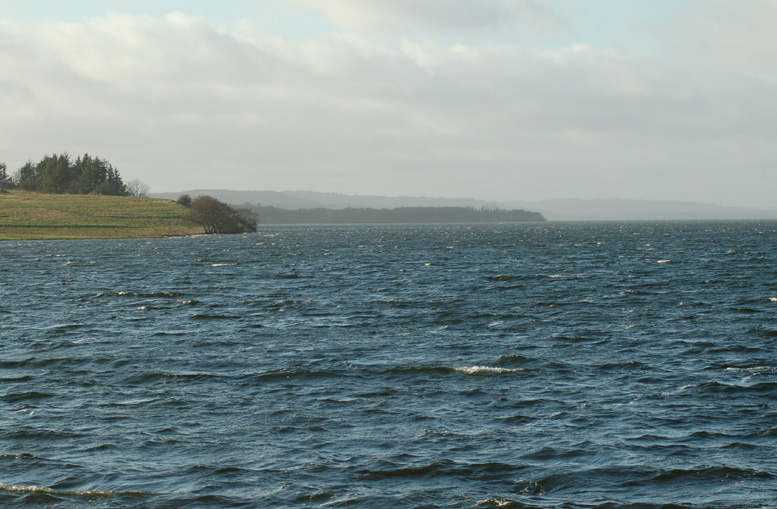
View to the lake from the southern road

Mossø is the fourth largest lake in Denmark. It has the richest and most varied fish stock in the country with 22 species of fish, among others pike, perch, zander, sea-trout, whitefish, eel, tench, smelt, bream, roach, gudgeon and more.


Denmark's biggest population of the beautiful, but rare Black-necked Grebe (sorthalset lappedykker) is living by Mossø, and the Great Crested Grebe is also common. The water courses streaming to the lake are habitats for Grey Wagtail (Bjergvipstjert) and Kingfisher (Isfugl). The White-Throated Dipper is common in winter by Klosterkanalen, a 1.300 meter long channel by Klosterkær, digged by Benediktiner monks from Voer Kloster in the late part of the 1100s. The kingfisher breeds by this channel. Klosterkær is a delta, formed by sediments from Gudenå River, the longest water stream in Denmark.


Late summer the lake is an important moulting place for the Lake District's population of Tufted Duck, and in spring and autumn the Osprey is resting in the area - and several White-Tailed Eagles spend the winter by Mossø.


Between Mossø and Salten Langsø is a museum (Gudenåmuseeet) and exhibitions with flint tools from the earliest inhabitants in the area. Furthermore there are findings from glass production in the neighbourhood.
http://www.gudenaa.dk/museum.htm


Other special places in the neighbourhood of Mossø:

On the little peninsula Lindholm a path leads to a gazebo.

By Klostermølle are some fine old buildings and watermills. In the Middle Ages were corn and cloth production and in the 1800s production of papermass.
http://en.klostermoelle-naturcenter.dk/

Højlund skov
is a pretty forest in a hilly terrain, and from Sukkertoppen (The Sugar Top) is a splendid view over the Gudenå River Valley.

By Hem Odde is a possibility for a fine walk to the area on the land tongue with a beautiful view over Mossø. Here is also a camping place and possibility for canoeing and fishing.
http://www.mossoe.dk/indexuk.htm

Alken and Boes are two idyllic villages. Boes with many pittoresque half-timbered houses with little front gardens along the village road. A cosy and very popular little restaurant 'Kaffehuset'.

photo 030207: grethe bachmann
Flooded Fields


A couple of swans have found a temporary Swan Lake in a flooded field


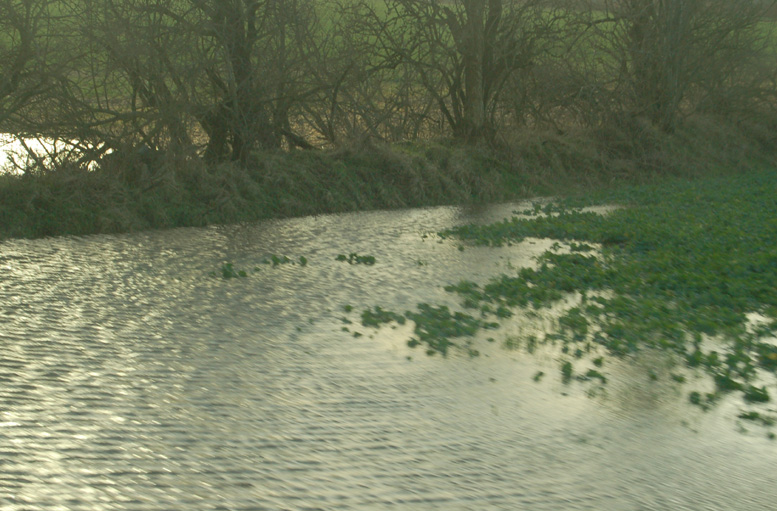
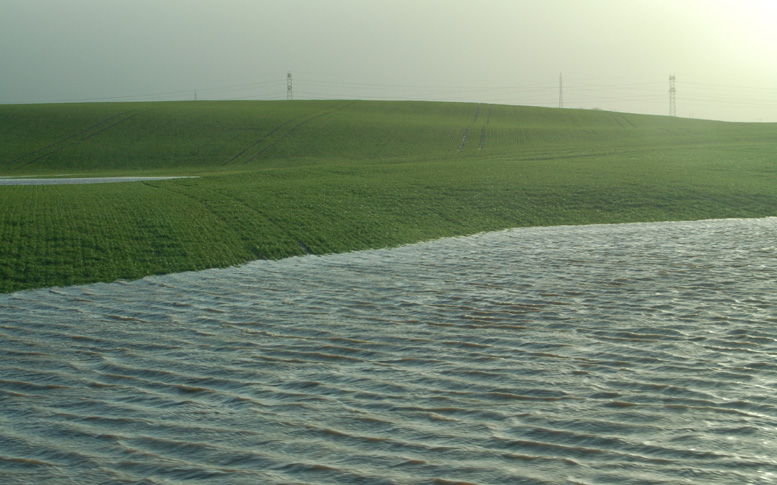
Flooded fields along the roads in Eastern Jutland in the month of January, but it was much worse in the lower parts of the country - along the coasts and by Limfjorden. The weather is still mild, king Winter has not arrived - yet.

photo on a dark day in January 2007: grethe bachmann

Sunday, January 28, 2007


Never give up without a fight!

photo 270107: grethe bachmann

Sunday, January 14, 2007

January 2007


The name, given to the month of 'January', is derived from the ancient Roman name 'Janus' who presided over the gate to the new year. He was revered as the 'God of Gateways', 'of Doorways' and 'of the Journey', later known as 'St. Januarius'. Janus protected the 'Gate of Heaven', known as the 'Lord of Beginnings', is associated with the 'Goddess Juno-Janus', and often symbolised by an image of a face that looks forwards and backwards at the same time. This symbolism can easily be associated with the month known as for many the start of a new year bodes opportunity, casting out the old and in with the new. It is the time when many reflect on events of the previous year and often resolve to redress or improve some aspect of daily life or personal philosophy.

photo 130107: grethe bachmann
Thursday, November 30, 2006

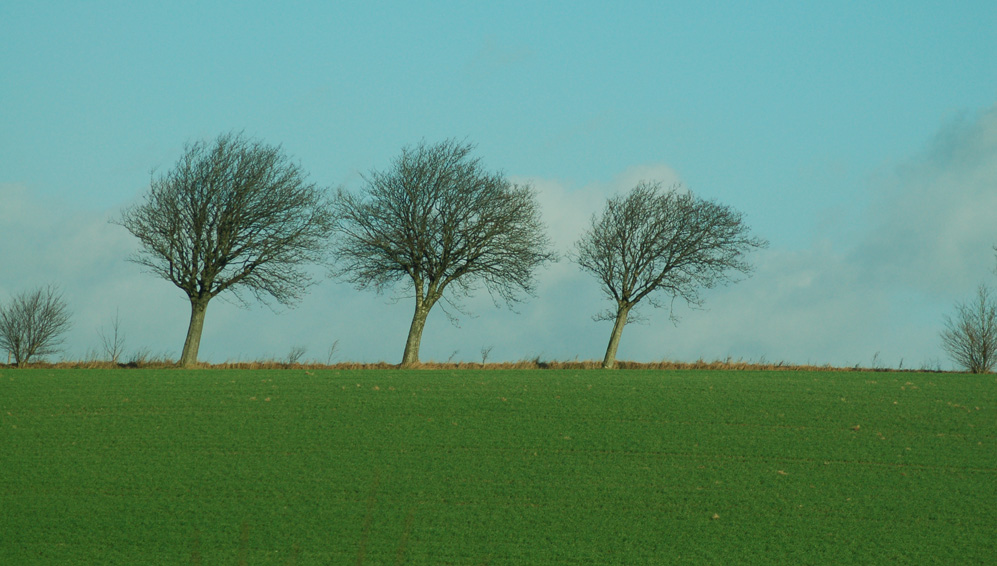
December


These Winter nights against my window-pane
Nature with busy pencil draws designs
Of ferns and blossoms and fine spray of pines,
Oak-leaf and acorn and fantastic vines,
Which she will make when summer comes again-

Quaint arabesques in argent, flat and cold,
Like curious Chinese etchings.

Thomas Bailey Aldrich

photo 271106: grethe bachmann
Monday, November 27, 2006

3rd Millenium BC - Enkeltgravskulturen
(Single graves)


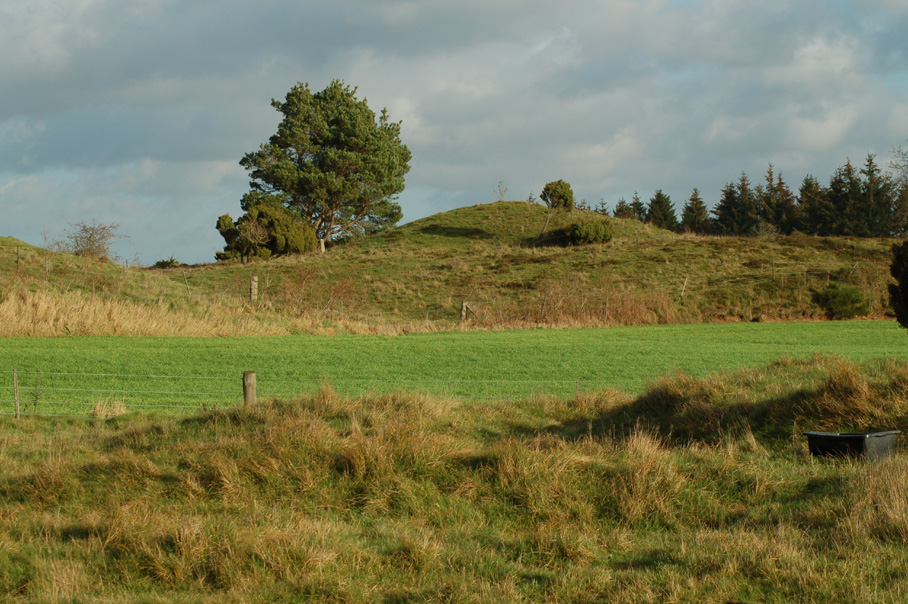
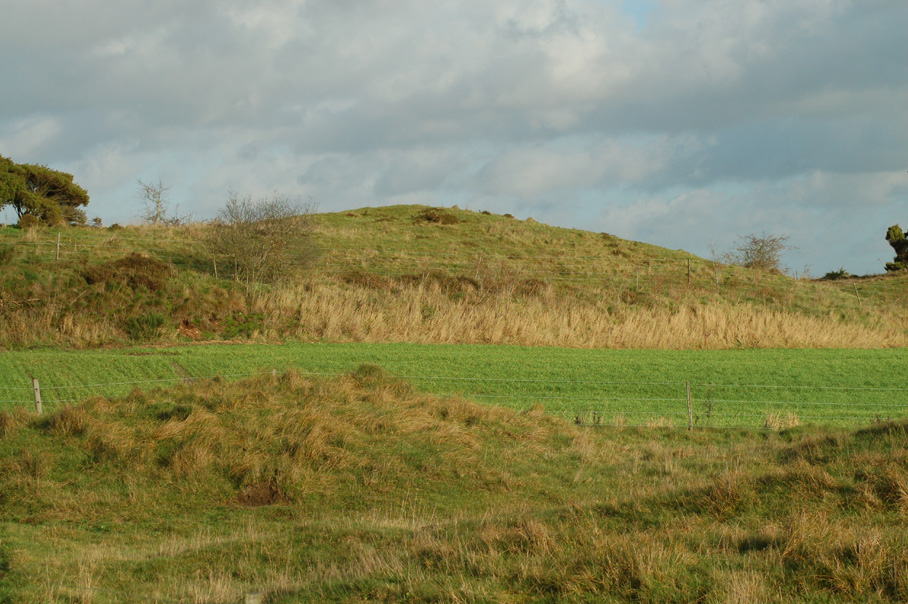
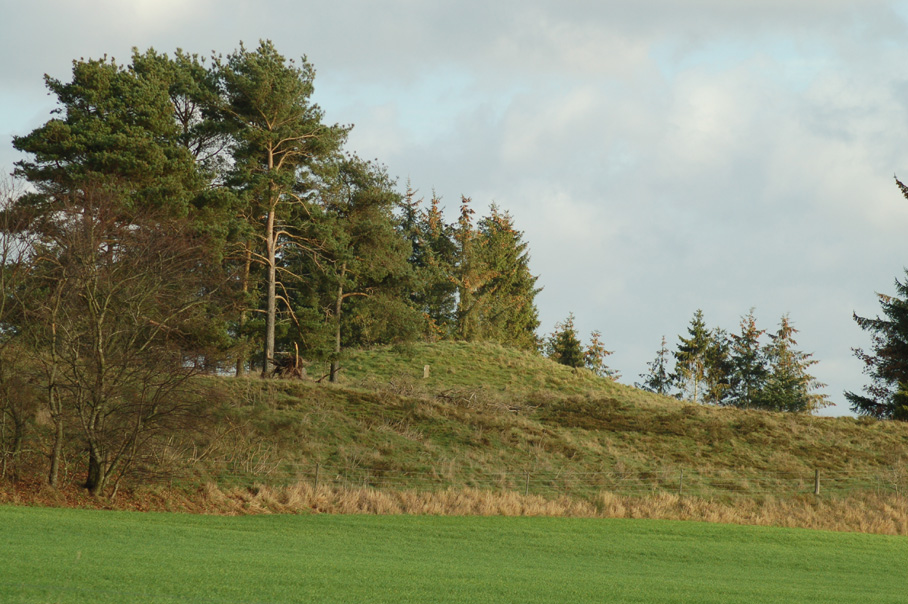
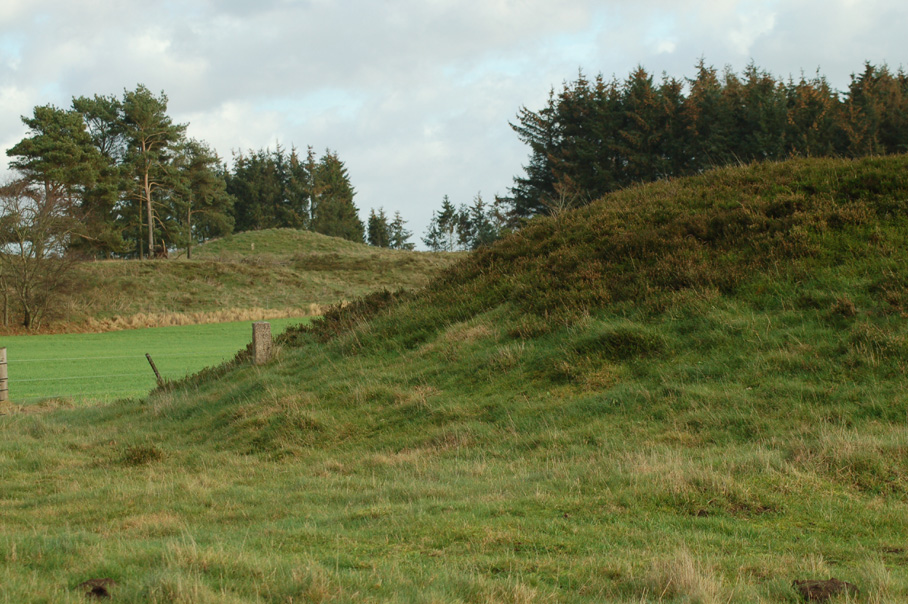
The third millenium was a period where old life styles were dissolving and new were being formed. It wasn't only in the materialistic culture pattern , but also in religion, i.e. in the death cult. The deads were buried in single graves ; hills were built above the coffin, which was mostly of wood. A farmer society was developing in Denmark in the period after 2800 BC.

Upon low banks, foremost in the North Jutland hills an down the peninsula, a broad border of thousands of small grave hills are seen today, which were established in the period after ab. 2800 BC. They are unimpressive, but their placement in the terrain and the burials they are covering have attracted much attention. They are called 'enkeltmandsgrave' and have caused some theories about 'enkeltgravsfolkets' ( 'the 'single grave people's) immigration to Denmark.


The grave itself contains seldom big stones. The coffin was of wood (planks), supported by stones. There are three burial forms: 1) undergrav ( grave below the surface), 2) bundgrav ( grave upon the surface , 3) overgrav ( grave above the other two) . This is roughly telling the classification of the graves in the mentioned 400 years.


The grave gifts in a man's grave were a battle axe and a flint axe, or a flint axe only - and often a clay-vessel, probably with food or maybe some drink . The dead was fully dressed and in his belt were amber and eventually a flint knife.


Also a woman was fully dressed, wearing her jewels, often amberpearls, either around her loin or by the head. These dead people are the only traces we have from the farmer people in the period between 2800-2400 BC. Only a couple of settlements have been found yet.


The earliest graves' coffins are facing east-west. There are traces after fire, indicating that bonfires were lit before the burial in order to mark the departure of the dead. In double graves were two bonfires. Above the grave was built a small hill no more than one meter high.
The next graves were placed in level with the earlier surface, often with coffins of flat stone tiles, especially in North Jutland. In the end of the period of enkeltgravene it was common to establish graves in the existing grave hills. The new graves were placed somewhat higher than the earlier, therefore the name: overgrav.


During the first period of the 'enkeltgravsperiod' the dead was placed with raised legs, like in sleeping position , but in the last period the dead was placed outstretched upon the back. For every new burial new earth and grass was added. A whole family could have their last rest in the same grave hill.


These hills on the photos are from a group of 30 hills by Bruunshåb in Mid Jutland near Viborg.
Maybe the archaeologists will discover more about those thousand of small hills and this people we know so little about yet.

photo: grethe bachmann

Saturday, November 25, 2006

Marselisborg Skovridergård, Århus


Marselisborg Skovridergård, (The old Forester House), Århus,
built in 1840, situated beside Forstbothanical Gardens and
Marselisborg Castle.

photo: gb

Wednesday, November 22, 2006

A Little Walk This Morning - November is Beautiful Too


photo: grethe bachmann
Same Place - a Half Year Later


November


May

photo: gb

Tuesday, November 07, 2006

November


November comes
And November goes,
With the last red berries
And the first white snows.

With night coming early,
And dawn coming late,
And ice in the bucket
And frost by the gate.

The fires burn
And the kettles sing,
And earth sinks to rest
Until next spring.

- Clyde Watson

November is the 11th month of the year, but it was the 9th month in the old Roman calendar. It was named Novemb which means 9. In old Danish it was called Slagtemåned (Slaughter Month), because the animals were being slaughtered before winter.

Mortensaften on the 10th of November is connected to bishop Martin of Tours. He had to be elected bishop in the year 371, but he didn't want to and was hiding among a flock of geese. They revealed him by their cackling, and according to Danish tradition we slaughter and eat the geese on Mortensaften, because they betrayed Morten .

Morten (= St. Martin) is the protector of all domestic animals and the guardian angel of all boozers. Mortens dag is on the 11th November, but the Danish celebration is the evening before, on the 10th. But not only geese are popular on the dinner table that night. Duck, turkey, venison, the tradition has changed like so many other traditions.

A weather omen says that a mild Mortensaften on the 10th of November promises a white Christmas.

A few things happening out in the Danish nature now:
There is only one little bird singing in November , and it sings through the whole winter; it's the wren, the smallest but one bird in Denmark.
The last hedgehogs are hiding for their winter sleep.
The ermine is changing its brown summer fur to winter white.
Some years invasions of crossbills arrive from the north.
Tufted ducks arrive to the country by the thousand.

photo: gb

Wednesday, November 01, 2006

What a Surprise on the First November Morning!


A view out of my window this morning. A winter attack. A few days ago it was summer!

A weather omen says that coldness and snow on the 1st of November gives a long and cold winter!

photo: gb