Ebeltoft (earlier
Æbeltoft) lies at Djursland in East Jutland - it is a popular tourist city, not least because of the old timbered houses in the middle of town. The old
market town atmosphere reflects a piece of Denmark's history through
centuries . It has a colourful shop- and museums life and the
inhabitants are doubled in the summer period. Close to Ebeltoft is the
Nationalpark
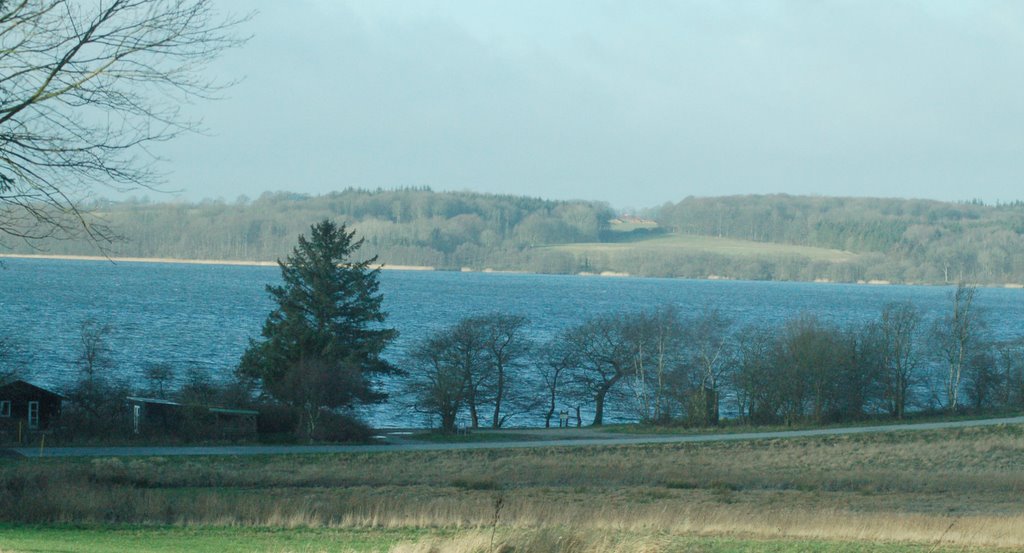
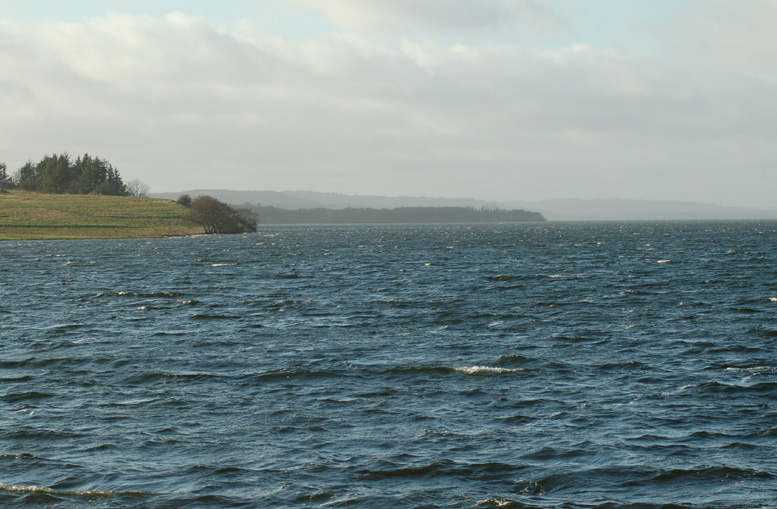
Mols Bjerge with many fine beaches and summer houses.
 |
| photo:gb |
 |
| photo:gb |
 |
| photo:gb |
Ebeltoft was probably established around year 1200, and the name Ebeltoft is seen the first time in king Erik Menved's letter of 21 January 1301, where he gave the town its municipal rights. In the beginning the place was a village or a fishing village
and an annex to the village
Draaby up till the reformation. On 25 August 1317 the king
issued a new letter where he gave the citizens laws and
regulations like the cities Viborg and Aarhus.
 |
| photo:gb |
 |
| photo:gb |
 |
| photo:gb |
In 1558 was established a Latin school in Ebeltoft.The
town suffered much during he plague 1619-1620 and was damaged during
the wars of the 17th century. The main business of the town was maritime trade, espcially in the second
half of the 17th century with large merchants- and warehouses, ship buildings and profitable traffic, especially from Norway. The large
timber transport from the royal forests in the neighbourhod brought much
life to the town. In 1672 the town had 817 inhabitants, after
Den Store Nordiske Krig 562 inhabitants in 1769. The latin school was abolished in 1739. The town developed little in the 19th century because of the wars. At the census in 1930 Ebeltoft had 1897 inhabitants , in 1945: 2.104 and in 1965: 2.485 inhabitants. Now in 2017: 7. 430.
Along the beach road and by the
Fregat Jylland are still seen the rest of the old seaweed dikes. They were built as a protection of west-facing gardens against intrusion of sea water. The dikes are now listed.
 |
| photo:gb |
 |
| photo:gb |
 |
| photo:gb |
 |
| photo:gb |
In the various shops in Ebeltoft are arts and crafts in a class of its own, lifestyle and fashions shops etc. In the streets are often music and entertainment in the summer period. Ebeltoft is a lively tourist town with several restaurants and cafés - and walking the old cobblestoned streets there is suddenly a wonderfull scent from the waffle bakery where they sell the most delicate ice cream cone, named
Molbo Vaffel. In another old street is a sweet scent of sugar and fruit from the little
Bolsjekogeri (candy factory
Mols Bolsjer) ) where they make candy in various tastes and looks in the backyard.In Ebeltoft is one of Denmark's largest concentrations of small studio glass work shops.
 |
| photo:gb |
 |
| photo:gb |
 |
| photo:gb |
 |
| photo:gb |
Glass Museum and the
Fregat Jylland. The fregat lies in the water
and is connected to a museum on land, here is the history of the
old fregat told in a factual and entertaining way. The Glass Museum lies n
http://glasmuseet.dk/
 |
| photo:gb |
earby, it has various local and international exhibitions and its own glass workshop - and the museum arranges various activities for children and adults. The children can borrow a children's suitcase and go exploring the many halls of the glass museum. Ebeltoft houses numerous galleries and several renowned glass blowers are working in the town.
 |
| photo:gb |
 |
| photo:gb |
 |
| photo:gb |
A large part of the medieval streets are listed, and Ebeltoft was in 2015 at the top of a list of the best preserved medieval towns
in Denmark. It is one of the most popular holiday towns with cobblestoned, narrow
streets and crooked old houses with roses and hollyhocks.
The old town hall is a charming attraction. Many couple choose a wedding at the picturesque town hall, in 2017
have already been celebrated 300 weddings in Danish, German and English . It is is a
small building with a tower and with a rich history since
1576, and here is also an old dungeon.

Close to the town hall is a funny
little museum
Siamese Samling. The museum was established by
Rasmus
Havmøller, who worked and lived in Siam (today Thailand) from 1914-1933. He
opened in 1940 the exotic museum with lots of objects from his life in
the East.
The
vægterne (watchmen) of Ebeltoft walk the old streets in the summer period .They call in the night each night walking and singing the watchmann's song through the streets . They start at the old town hall at 20.00, 21.00 amd 22.00.
Since the 1890s Ebeltoft was a seaside resort for better-off people from Aarhus, and the fine holiday houses along the
coast remind about a time where people went to the resort to bathe and take their vacation. From the 1960s common people could gradually afford to
build summer houses - and today are many large areas with lovely summer houses in and around Ebeltoft. Many can be rented in the summer period.

The
name Ebeltoft comes from apple/abel/abild. The apple tree is seen
in the oldest seals of the town (Latin: pomagrina and pomagrium)
.The first
"Ebelfestival" (Apple Festival) started in 2004, and it has since
become an established part of the cultural life of Ebeltoft. It is held
each year in week 42. The vision is to give some good experience and
knowledge about appless and about the history and culture of Ebeltoft.
http://ebelfestival.dk/
 Den europæiske Filmhøjskole
 in Ebeltoft is one of the world's best basic film schools and it takes students from all over the world (always 50 % Danish). Among the most famous former students in the Nordic countries
are actor Pilou Asbæk ('Borgen'/'The Fortress', 'Lucy'),
director/screenwriter Nikolaj Arcel ('A Royal Affair', 'The Girl
With the Dragon Tattoo'), director Joachim Trier ('Reprise',
'Louder Than Bombs'), cinematographer Charlotte Bruus ('The Hunt',
'Far From the Madding Crowd'), director Michael Noer ('R' and
'Northwest'), cinematographer Magnus Nordenhof Jønck ('The
Killing', 'A Highjacking') and cinematographer Sturla Brandth
Grøvlen ('Victoria', 'Rams').
http://kurser.hojskolerne.dk/hoejskoler/hoejskole-soeg/den-europaeiske-filmhoejskole
 |
| Safari Park/photo:gb |
The big animal park :
Ebeltoft Safari is finansed by the
Karsten Ree.
http://www.reepark.dk/
photo:
grethe bachmann
and from wikipedia.
Source:
Danmarks købstæder, Søren Olsen, 2000
Politikens Danmarksbog , Søren Olsen, 2003


 Close to the town hall is a funny
little museum Siamese Samling. The museum was established by Rasmus
Havmøller, who worked and lived in Siam (today Thailand) from 1914-1933. He
opened in 1940 the exotic museum with lots of objects from his life in
the East.
Close to the town hall is a funny
little museum Siamese Samling. The museum was established by Rasmus
Havmøller, who worked and lived in Siam (today Thailand) from 1914-1933. He
opened in 1940 the exotic museum with lots of objects from his life in
the East.