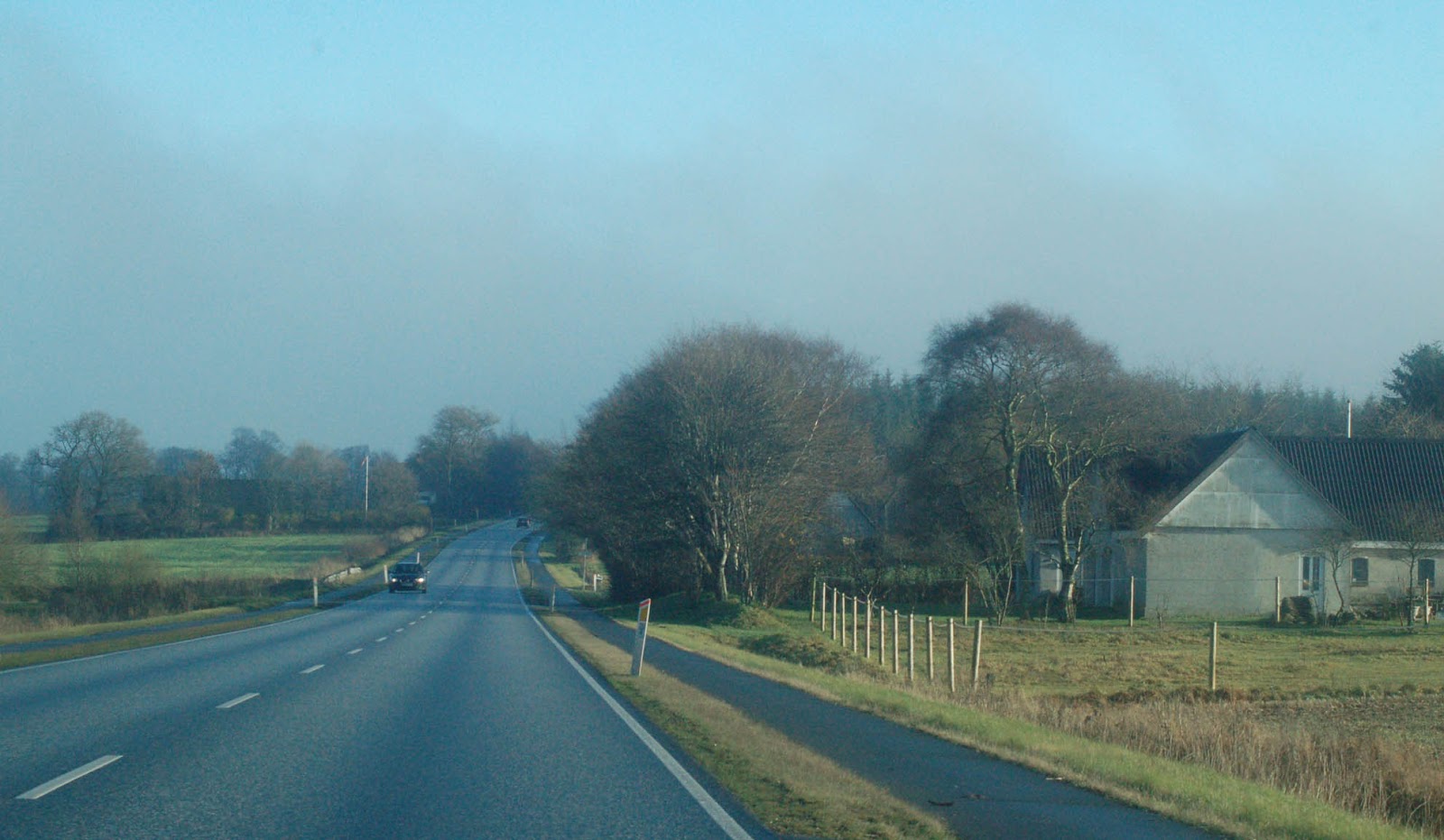
In the bleak midwinter
Frosty wind made moan,
Earth stood hard as iron,
Water like a stone;
Snow had fallen, snow on snow,
Snow on snow,
In the bleak midwinter,
Long ago.
Christina Rossetti.
(A Christmas Carol)
1310–1330, many severe winters and cold, wet summers in Europe – the
first clear manifestation of the unpredictable weather of the Little Ice Age
that lasted for several centuries (from about 1300 to 1900). The
persistently cold, wet weather caused great hardship, was primarily
responsible for the Great Famine of 1315-1317, and strongly contributed to the weakened immunity and malnutrition leading up to the
Black Death (1348–1350).
1600-1602, extremely cold winters in Switzerland and Baltic region after eruption of Huaynaputine in Peru in 1600.
1607-1608, in North America, ice persisted on Lake Superior until
June. Londoners held their first frost fair on the frozen-over River
Thames.
1622, in Turkey, the Golden Horn and southern section of Bosphorus froze over.
1683-1684, "The Great Frost", when the Thames, hosting one of many River Thames frost fairs,
was frozen all the way up to the London Bridge and remained frozen for
about two months. Ice was about 27 cm (11 in) thick in London and about
120 cm (47 in) thick in Somerset. The sea froze up to 2 miles (3.2 km)
out around the coast of the southern North Sea, causing severe problems
for shipping and preventing use of many harbors.
1690s, extremely cold, snowy, severe winters. Ice surrounded Iceland for miles in every direction.

1739-1740,
one of the most severe winters in the UK on record. The Thames remained
frozen-over for about 8 weeks. The Irish Famine of 1740–1741 claimed
the lives of at least 300,000 people
1779-1780, Scotland's coldest winter on record, and ice surrounded
Iceland in every direction (like in the 1690s). In the USA, a record
five-week cold spell bottomed out at
−20 °F (−29 °C) at Hartford, Connecticut, and
−16 °F (−27 °C) in New York City. Hudson River and New York's harbor froze over.
1783-1786, the Thames partially froze, and snow remained on the ground for months. In February 1784, the
North Carolina was frozen in Chesapeake Bay.
1794-1795, severe winter, with the coldest January in the UK and lowest temperature ever recorded in London:
−21 °C (−6 °F)
on 25 January. The cold began on Christmas Eve and lasted until late
March, with a few temporary warm-ups. The Severn and Thames froze, and
frost fairs started up again. The French army tried to invade the
Netherlands over its frozen rivers, while the Dutch fleet was stuck in
its harbor. The winter had Easterlies (from Siberia) as its dominant
feature.

1813-1814, severe cold, last freeze-over of Thames, and last frost
fair. (Removal of old London Bridge and changes to river's banks made
freeze-overs less likely.)
1816 was the
Year Without a Summer
in the Northern Hemisphere. The unusual coolness of the winter of
1815–1816 and of the following summer was primarily due to the eruption
of Mount Tambora
in Indonesia, in April 1815. There were secondary effects from an
unknown eruption or eruptions around 1810, and several smaller eruptions
around the world between 1812 and 1814. The cumulative effects were
worldwide, but were especially strong in the Eastern USA, Atlantic
Canada, and Northern Europe. Frost formed in May in New England, killing
many newly-planted crops, and the summer never recovered. Snow fell in
New York and Maine in June, and ice formed in lakes and rivers in July
and August. In the UK, snow drifts remained on hills until late July,
and the Thames froze in September. Agricultural crops failed and
livestock died in much of the Northern Hemisphere, resulting in food
shortages and the worst famine of the 19th century.
1883-1888, colder temperatures worldwide, including an unbroken
string of abnormally cold and brutal winters in the Upper Midwest,
related to the explosion of
Krakatoa in August 1883. There was snow recorded in the UK as early as October and as late as July during this time period.
1887-1888, there were record cold temperatures in the Upper Midwest,
heavy snowfalls worldwide, and amazing storms, including the Schoolhouse Blizzard of 1888 (in the Midwest in January), and the Great Blizzard of 1888 (in the Eastern US and Canada in March).

In Europe, the winters of early 1947, February 1956, 1962–1963, 1981–1982 and 2009-2010
were abnormally cold. The UK winter of 1946–1947 started out relatively
normal, but became one of the snowiest UK winters to date, with nearly
continuous snowfall from late January until March.
1976-1977, one of the coldest winters in the US in decades.
1985, Arctic outbreak in US resulting from shift in polar vortex, with many cold temperature records broken.

2002-2003 was an unusually cold winter in the Northern and Eastern USA.
2010-2011, persistent bitter cold in the entire eastern half of the
USA from December onward, with few or no mid-winter warm-ups, and with
cool conditions continuing into spring.
La Nina and negative Arctic Oscilalation
were strong factors. Heavy and persistent precipitation contributed to
almost constant snow cover in the Northeastern US which finally receded
in early May.
2011-2012, one of the warmest winters. Christmas Day 2011 was the
warmest Christmas in Ireland, as observed by the Armagh Observatory.
So, let's see how Christmas Day will be in 2012..............
Merry Christmas
Grethe
photo: grethe bachmann & stig bachmann nielsen, naturplan.dk